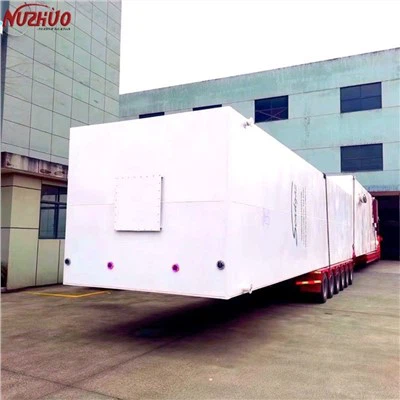


The PSA oxygen generators have reached a coverage rate of over 80% in hospitals of all sizes across the country now. However, the vast majority of these oxygen generators are in a state of "zero" maintenance and are operating at an overload. Due to the lack of maintenance awareness or professional technical strength in hospitals, these machines cannot work properly or are operating "ill", resulting in the inability to ensure the purity of oxygen supply, which greatly affects the normal rescue work of hospitals and poses a threat to the safety of patients' lives.
It also shortens the service life of the machines and deviates from the original intention of installing the oxygen generators. The PSA oxygen generator equipment plays an extremely important role in clinical treatment. The responsibility of engineering technicians is huge. Only by following their operating procedures and drawing on experience for maintenance can clinical safe oxygen supply be ensured, the service life of the equipment be extended, which is beneficial to people's health, improve hospital work efficiency, and reduce medical risks.
As long as the oxygen generation equipment is in operation, do not arbitrarily cut off the power supply. Therefore, in the configuration of the oxygen generation system, a scientific configuration of "one in use and one as backup" or "more in use and one as backup" is generally adopted. This not only facilitates the maintenance, repair, and upkeep of the entire system, but also enables it to calmly handle various sudden emergencies.
This mainly introduces the maintenance and repair of the air post-treatment system:
1. Observe and record the instrument values 4 times per shift.
2. Ensure that all pressure values are normal.
3. Regularly observe the operation of the electronic drainage valves in the drainage and sewage system. If there is no water discharged despite the normal operation, it is likely that the filter screen is clogged. At this time, it is necessary to clean the filter screen: Close the front ball valve of the drainage valve, press the test button, discharge the residual compressed air, unscrew the filter screen cap, remove the filter screen, soak it in soapy water for about 10 minutes, then clean it with clean water / or blow it with purified compressed air. After cleaning, reinstall the filter screen and the filter screen cap, and open the front ball valve.
4. Regularly observe whether the temperature values are normal.
5. Regularly observe the refrigeration system. 1. The desiccant dryer should be touched by hand at least once a day. The normal state is ice and frost formation.
6. If you find abnormal sounds or overheating of the compressor, contact the after-sales service immediately.
7. Check the electrical control system: Blow off dust, tighten the connection terminals (must be done without power).
8. Regular exterior maintenance: Use a clean towel to wipe off the oil and dust on the equipment surface. Remove the dust and oil from the ground where the desiccant dryer and air compressor are installed, keep the environment clean.

Dear customers, please follow the operation regulations at the time of purchase and conduct timely and scientific troubleshooting and maintenance according to the maintenance cycles of daily, weekly, monthly and annually. This will ultimately enable early prevention of minor problems, early resolution of major faults, and effectively achieve the solid guarantee of energy conservation and consumption reduction, safety and reliability, and stable operation.
Each industry has its own unique gas requirements. We will tailor the most ideal system specifically for you according to your specific needs.For any oxygen/nitrogen/Argon needs, please reach out to us :
Elena Liu Tel./Whatsapp/Wechat:+86-18758589723
Email :elena@hznuzhuo.com