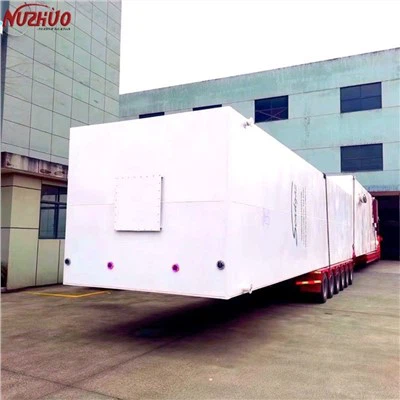


The PSA oxygen generator operates based on the principle that molecular sieves adsorb nitrogen under high pressure and regenerate under low pressure. One of the "enemies" of this process is excessive moisture. During the rainy season, the relative humidity in the air often remains above 85%. If the pre-treatment system is ineffective, trace amounts of water vapor will enter the adsorption tower along with the compressed air. Over time, the surface micropores of the molecular sieves are covered by a liquid water film, and the particles expand due to water absorption and break, powderize, or even stick together into lumps, resulting in a sharp decrease in adsorption capacity, uneven gas flow distribution, and ultimately manifested as a decrease in oxygen production, frequent concentration fluctuations, and the equipment entering a "sub-healthy" state.

In response to the challenges posed by humid weather, scientific preventive maintenance is of utmost importance. The following three lines of defense can help ensure the stable operation of equipment:
The first line of defense: Strictly control the quality of the air source. Compressed air is the raw material for oxygen production, and its dryness directly determines the lifespan of the molecular sieve. During the rainy season, users should pay special attention to checking whether the evaporation temperature of the dehumidifier meets the standard and whether the automatic drainage device is unobstructed. For demanding oxygen usage scenarios, it is recommended to add a micro-heat regenerative adsorption dryer after the dehumidifier to stabilize the pressure dew point at below -20℃, thus cutting off the path for moisture intrusion at the source.
The second line of defense: Strengthen filtration and inspection. The precision filter elements in the pipelines are the final barrier for intercepting liquid water and oil mist. During the rainy season, it is recommended to shorten the replacement cycle of the filter elements appropriately and check the water cup at the bottom of the filter every day to drain the liquid in time. At the same time, operators can record the dew point values and oxygen production concentration daily through the touch control screen and establish an operation record for the humidity-sensitive period. Once any abnormal fluctuations in the data are detected, immediately investigate the front-end pre-treatment unit.
The third line of defense: Optimize the operating environment. The equipment room should avoid having its doors and windows left open for an extended period to prevent warm and humid air from directly entering. If the relative humidity inside the room remains above 80% continuously, it is advisable to install an industrial dehumidifier to create a relatively dry "microclimate" for the equipment. Additionally, before restarting long-unused equipment during the rainy season, it is necessary to first regenerate and purge the molecular sieve tower to expel the moisture adsorbed during the shutdown period.
Equipment is like a person; it needs care during seasonal changes. In the special humid weather, pay extra attention to the PSA oxygen generator. It will reward you with continuous and stable oxygen output, safeguarding the safety and quality of every production process behind it.
Each industry has its own unique gas requirements. We will tailor the most ideal system specifically for you according to your specific needs.For any oxygen/nitrogen/Argon needs, please reach out to us :
Elena Liu Tel./Whatsapp/Wechat:+86-18758589723
Email :elena@hznuzhuo.com